Design
|
Jan 12, 2026
Logo Types Explained: Wordmarks, Lettermarks, Symbols & When to Use Each
Understanding the seven main categories of logos helps you choose the right approach for your brand. Learn the strengths, weaknesses, and ideal use cases for each logo type.
Why Logo Type Matters More Than You Might Think
Before diving into colors, fonts, or clever visual tricks, every logo design project faces a fundamental question: what type of logo should this be? It's a decision that shapes everything that follows, yet many business owners make this choice almost accidentally—defaulting to whatever their designer presents first or copying what competitors have done. Understanding the distinct categories of logos and their strategic implications can mean the difference between a brand identity that works effortlessly and one that constantly fights against its own format.
The seven main types of logos each come with their own set of advantages and trade-offs. Some require years of marketing investment to build recognition, while others communicate instantly but sacrifice uniqueness. Some work beautifully in digital environments but fail when printed small, while others scale perfectly but lack personality. There's no universally "best" type—only the best choice for your specific situation, audience, and long-term brand strategy.
Wordmarks: When Your Name Is Your Greatest Asset
A wordmark (also called a logotype) consists entirely of your company name rendered in a distinctive typographic treatment. Think Coca-Cola's flowing script, Google's playful multicolored letters, or FedEx's bold sans-serif with its hidden arrow. These logos succeed when the company name itself is short, memorable, and distinctive enough to carry the entire brand identity without additional visual support.
Wordmarks excel for businesses with unique, evocative names that deserve full attention. They're particularly effective for new companies trying to establish name recognition, since every logo impression reinforces the brand name directly. The downside is that wordmarks require typographic distinction to avoid looking generic—simply typing your name in Helvetica won't create a memorable brand mark. They also struggle when scaled very small (like app icons or social media avatars) since text becomes illegible at tiny sizes, often necessitating a secondary simplified mark for those applications.
Lettermarks: Making Long Names Manageable
When your company name runs too long or complex for a clean wordmark, lettermarks offer an elegant solution. IBM, HBO, CNN, and NASA all use lettermarks that take their initials and transform them into recognizable visual identities. This approach condenses lengthy names like "International Business Machines" into manageable, memorable marks that maintain professional gravitas while solving practical space constraints.
Lettermarks work best when your initials spell something easy to remember (though you should check that they don't accidentally spell something unfortunate in other languages). They're particularly common in industries where long, descriptive names are traditional—law firms, government agencies, and established corporations. The challenge with lettermarks is that disconnected initials carry no inherent meaning, so significant marketing investment is typically required to build the association between those letters and your brand promise. A new company called "Bright Future Solutions" using "BFS" as a lettermark will need years of consistent exposure before those three letters trigger any recognition.
Pictorial Marks: The Power and Risk of Pure Symbols
Pictorial marks (sometimes called brand marks or logo symbols) use a recognizable image to represent the brand—Apple's apple, Twitter's bird, Target's bullseye. When successful, these logos achieve something remarkable: they transcend language barriers and become instantly recognizable visual shorthand for everything a brand represents. The Nike swoosh communicates "athletic performance and determination" without a single word.
However, pictorial marks are the riskiest choice for most businesses. They require enormous marketing investment to build the connection between symbol and brand, since the image alone carries no inherent reference to your company name or industry. Apple can use a simple apple icon because they've spent billions ensuring everyone knows what company that apple represents. A startup using a tree icon, without that brand-building budget, is essentially asking customers to remember an arbitrary shape. Pictorial marks also lock you into a specific visual metaphor, which can become problematic if your business evolves in unexpected directions.
Abstract Marks: Unique Shapes That Belong to You Alone
Abstract marks take the symbol concept further by using geometric forms that don't represent any recognizable object. The Pepsi circle, the Adidas stripes, the Chase octagon, and the Airbnb "Bélo" all fall into this category. These logos sidestep the problem of choosing a concrete image that might limit brand associations, instead creating entirely unique shapes that can mean whatever the brand decides.
The advantage of abstract marks is their flexibility and distinctiveness—when designed well, they're virtually impossible to confuse with competitors. But they share the same fundamental challenge as pictorial marks: there's no inherent connection between an abstract shape and your company. Building that association requires consistent exposure over time. Abstract marks also demand exceptional design skill; without a recognizable subject to anchor the design, every proportion, angle, and curve must be perfectly crafted. A mediocre pictorial mark of an apple still reads as "apple," but a mediocre abstract shape just looks like a mistake.
Mascot Logos: Personality That Builds Emotional Connections
Mascot logos use illustrated characters to represent the brand—Colonel Sanders for KFC, the Michelin Man for Michelin tires, Wendy for Wendy's. These logos excel at creating emotional connections and making brands feel approachable and human. They're particularly effective for businesses targeting families or children, companies wanting to inject personality into otherwise commodity products, and brands built around heritage or storytelling.
The warmth and personality of mascot logos comes with practical trade-offs. Detailed illustrations lose clarity at small sizes, requiring simplified versions for digital applications. Mascots can also feel inappropriate for certain industries—a friendly cartoon character might undermine the credibility of a financial services firm or healthcare provider. There's also the risk that mascots can date quickly or become associated with specific time periods, requiring careful modernization over the years to stay relevant without losing recognizable elements.
Combination Marks: The Best of Both Worlds
Combination marks pair a symbol or icon with a wordmark, giving brands the flexibility to use either element independently once recognition is established. Burger King, Lacoste, Doritos, and Adidas all use combination marks that allow the full logo treatment when space permits and just the symbol when it doesn't. This approach solves many practical problems while building both name recognition and visual distinctiveness simultaneously.
For most new businesses, combination marks represent the smartest strategic choice. You get immediate name recognition from the wordmark while building symbolic equity with the icon. As your brand grows, you can gradually phase toward icon-only usage in contexts where brevity matters. The main disadvantage is complexity—combination marks require more careful design to ensure both elements work harmoniously together, and they occupy more visual real estate than simpler logo types. Getting the proportions and relationship between text and symbol right often requires significant refinement.
Emblems: Heritage, Authority, and Institutional Weight
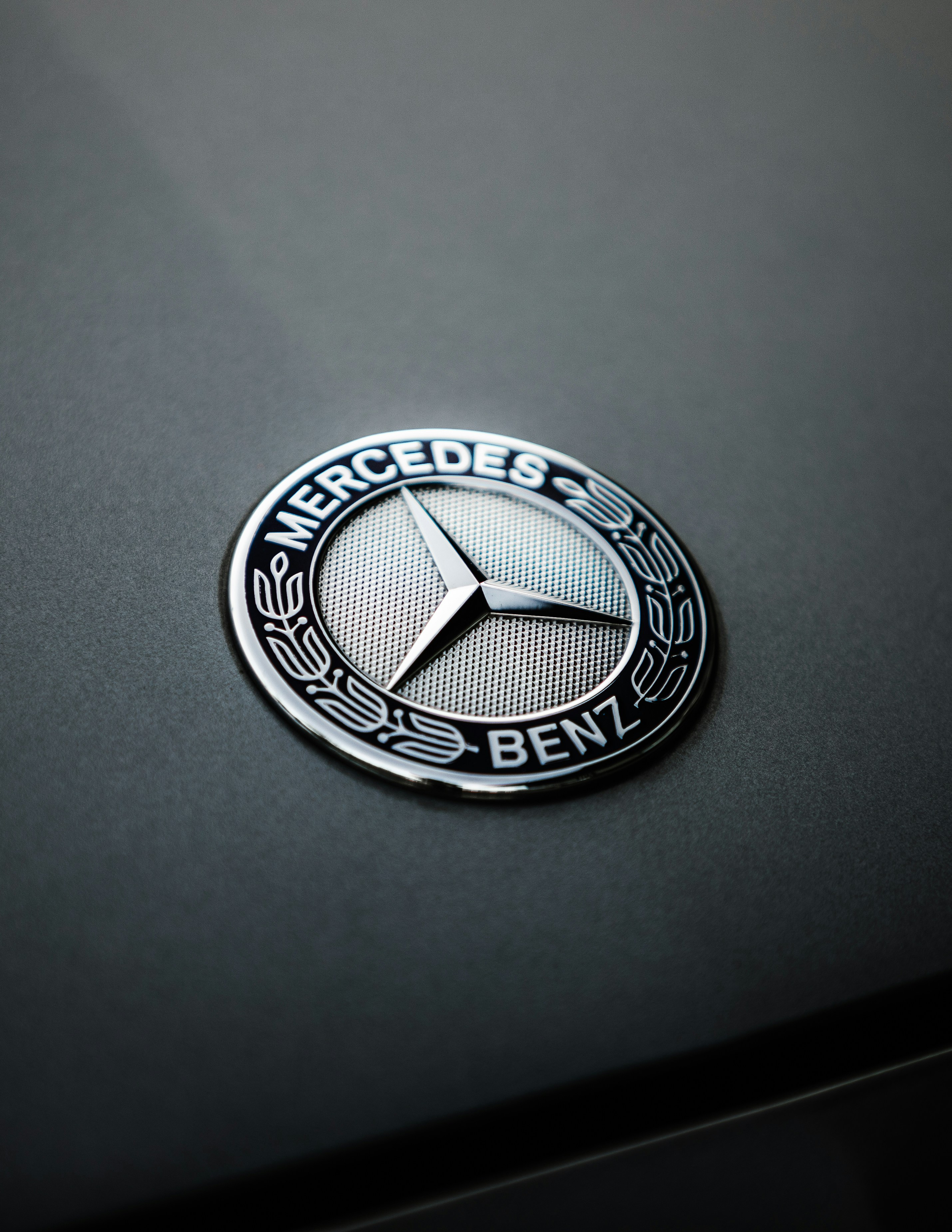
Emblems encase the company name within a symbol, typically a badge, seal, or crest-like design. Think of Harley-Davidson's bar and shield, Starbucks' siren in a circle, or university seals. These logos communicate heritage, authenticity, and institutional authority. They feel established and trustworthy, which is why they're popular for educational institutions, government agencies, craft brands emphasizing traditional methods, and companies wanting to project premium positioning.
The contained, badge-like quality of emblems creates both their strength and their limitation. That sense of tradition and quality comes from formats we associate with official seals and heraldic crests—but it also makes emblems inherently more complex and detailed than other logo types. This complexity means emblems often struggle at very small sizes and can feel heavy or old-fashioned in digital environments that favor clean, minimal design. Modern emblem designs sometimes address this by creating dramatically simplified versions for small-scale use while reserving the full detailed treatment for larger applications.
A Decision Framework for Choosing Your Logo Type
Selecting the right logo type isn't a matter of personal preference—it's a strategic decision based on several key factors. Start by evaluating your company name: is it short, distinctive, and easy to remember? Wordmarks and lettermarks leverage good names effectively. Do you have significant marketing budget to build symbol recognition over time? If not, pictorial and abstract marks may be premature choices. Consider your industry expectations: do customers expect traditional credibility (suggesting emblems) or approachable personality (pointing toward mascots)?
Most businesses, especially new ones, benefit from combination marks that provide flexibility while building recognition. As you grow and your visual identity becomes more established in customers' minds, you can strategically simplify toward symbol-only usage in appropriate contexts. The key is making an intentional choice rather than defaulting to whatever looks pretty, understanding that each logo type carries strategic implications that will shape your brand communications for years to come.
Frequently Asked Questions
What logo type do most Fortune 500 companies use?
The majority of Fortune 500 companies use either wordmarks or combination marks, as these types balance name recognition with visual distinctiveness. Pure symbols are less common because they require massive brand-building investment that even large companies find challenging.
Can I change my logo type later?
Yes, but it requires careful transition planning to avoid confusing existing customers. Many companies evolve from combination marks toward symbol-only logos as their brands mature. The key is maintaining visual continuity so customers recognize the connection between old and new.
Which logo type works best for startups?
Combination marks typically offer the best balance for startups—the wordmark builds name recognition while the icon provides visual distinction and flexibility. This approach also allows strategic evolution toward symbol-only usage as brand awareness grows, without requiring a complete redesign.
Do I need different logo types for different applications?
Many brands develop logo systems with multiple versions (full combination mark, icon only, wordmark only) for different contexts. This isn't changing your logo type—it's creating a flexible identity system that adapts to various applications while maintaining consistent recognition.
Read more
Subscribe to get fresh stories, tips, and logo resources delivered straight to your inbox.