How Can Design Teams Build Effective Data-Driven Test Cases for Logo Assets?
Learn how design teams build data-driven test cases for logo assets: map every context, separate test logic from data, and catch broken variants early.
Read the storyThe LogoToUse blog
Learn how design teams build data-driven test cases for logo assets: map every context, separate test logic from data, and catch broken variants early.
Read the storyDo you want to create a brand identity for your startup? Learn how to build a professional brand identity on a budget using smart ideas combined with AI.
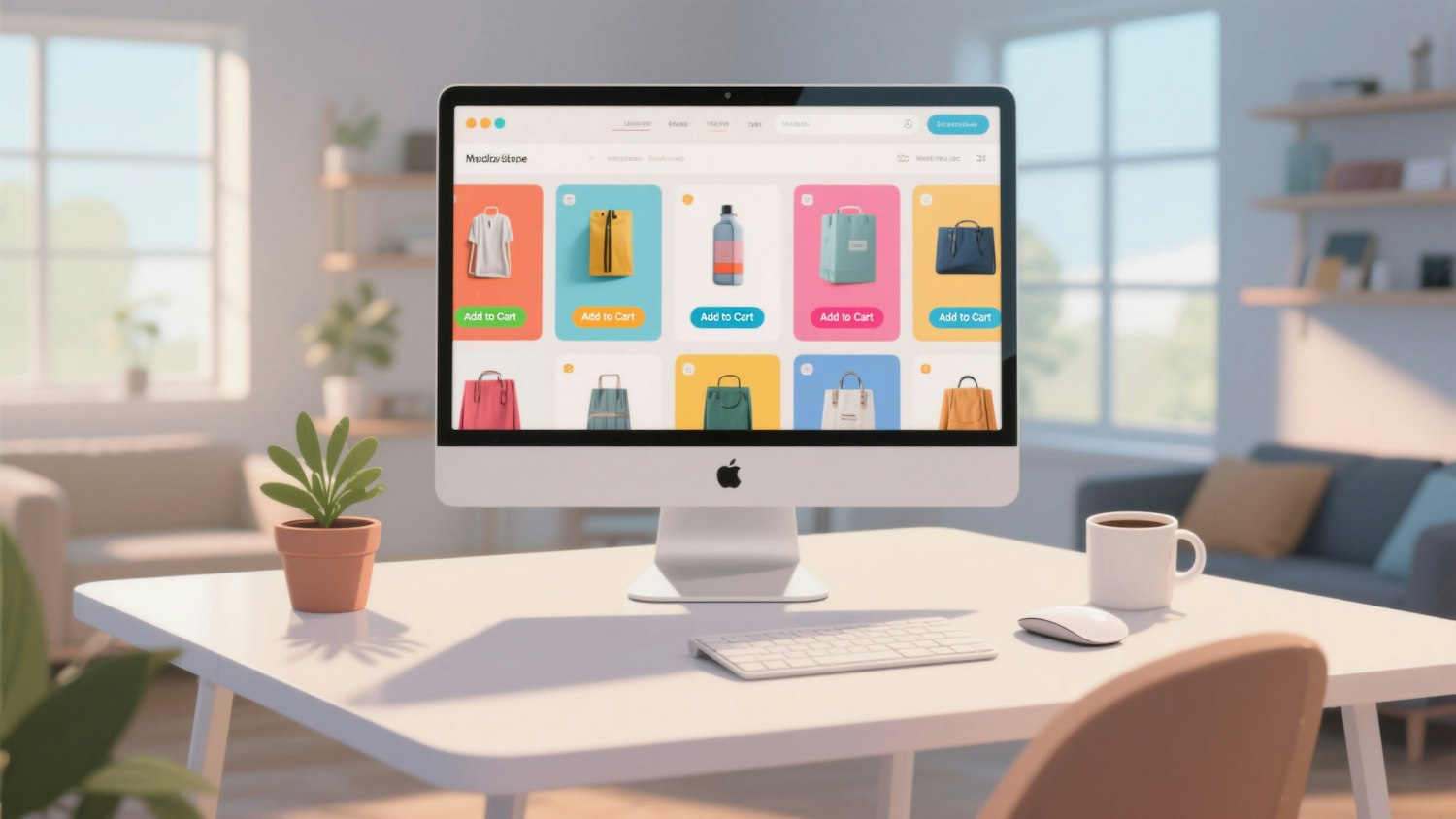
Compare AI website builders for small businesses, including Modulify, Wix, Squarespace, Framer, Webflow, Lovable, and Replit.
A comparison of 10 renewable energy lead generation agencies in 2026, from integrated cleantech marketing partners to ABM, outbound prospecting, appointment setting and LinkedIn outreach specialists.
A practical checklist for putting a logo on a website properly: the right file format, header sizing and clear space, the full favicon set, the social preview image, and the dark-mode variant most brands forget.
A logo is a starting point, not an identity. Here is how to extract a colour palette, a type system and a layout language from a finished mark, and turn all of it into a landing page that actually looks designed.
An honest look at where AI genuinely helps a brand and web design workflow in 2026, stage by stage, and the three places it still produces work you should not ship.
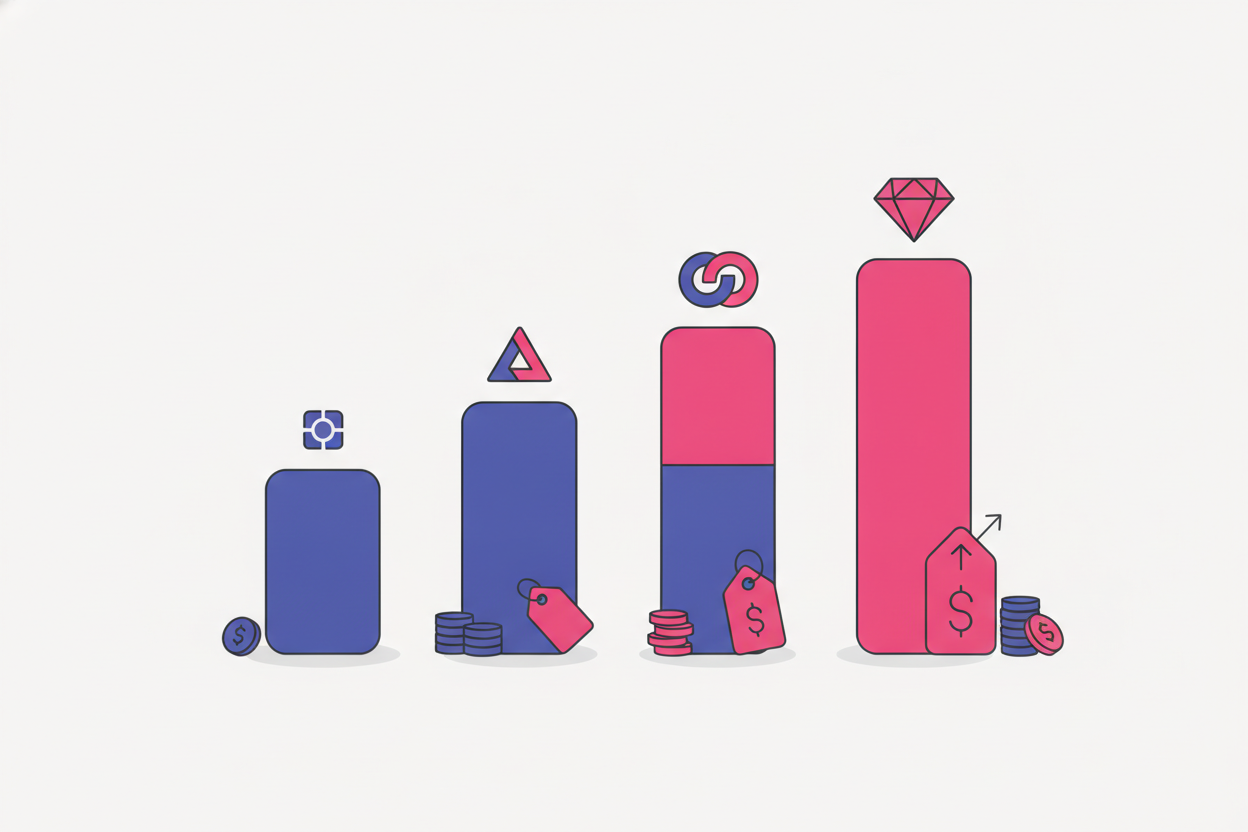
Logo cost in 2026 ranges from free AI-powered tools to premium agency work exceeding 20000, depending on customization and deliverables. With AI now playing a major role in logo creation, businesses can generate usable designs in minutes or invest in fully custom branding systems. The right choice depends on your stage, budget, and how unique your brand identity needs to be.
What changed, why it happened, and what every designer canlearn from the year's most talked-about rebrands.
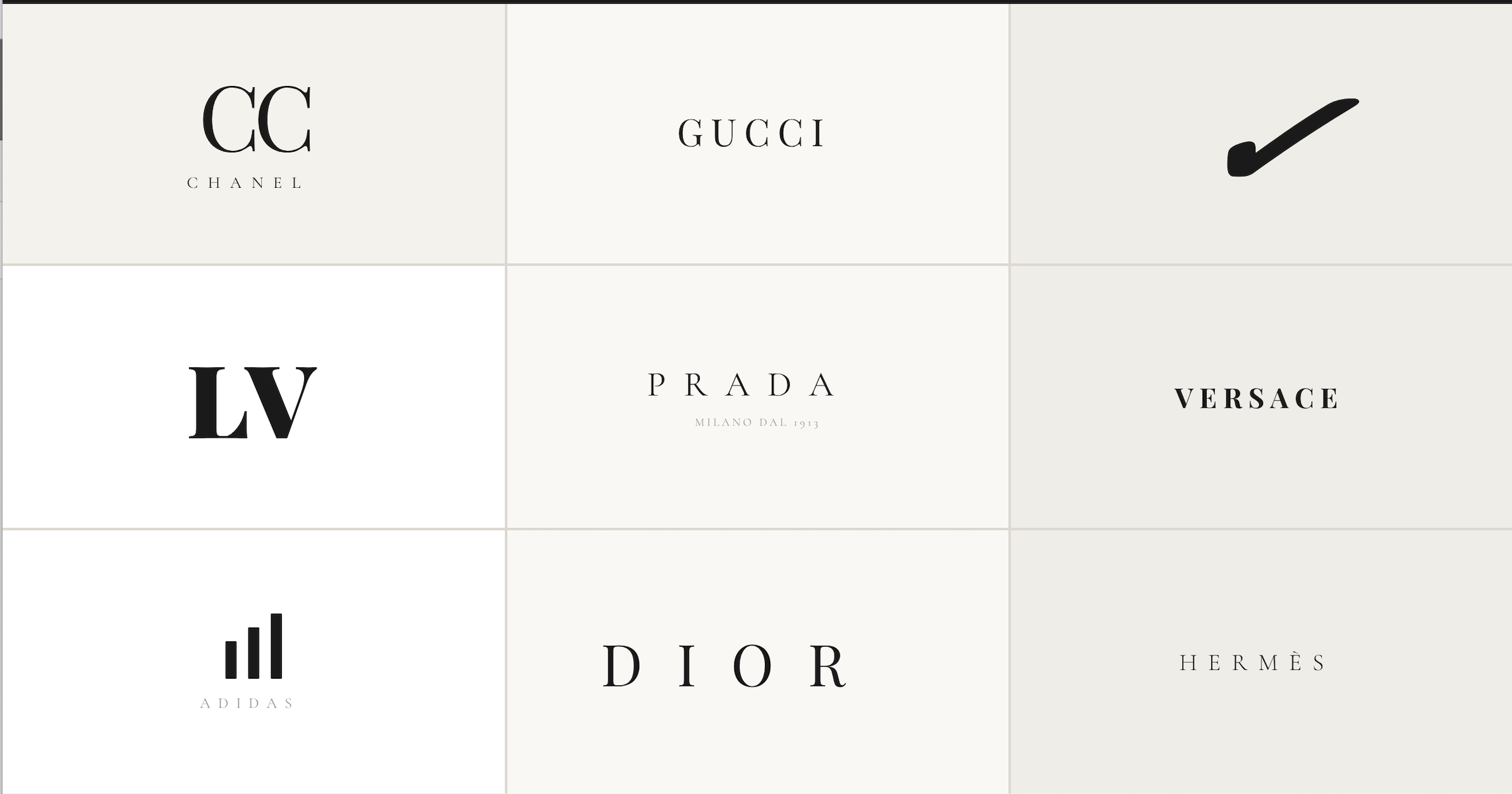
This guide covers the most iconic fashion brand logos, what makes them work, and how designers can use them effectively in professional projects. Whether you're researching luxury identity design, building mood boards, or looking for clean logo assets, this is your starting point.
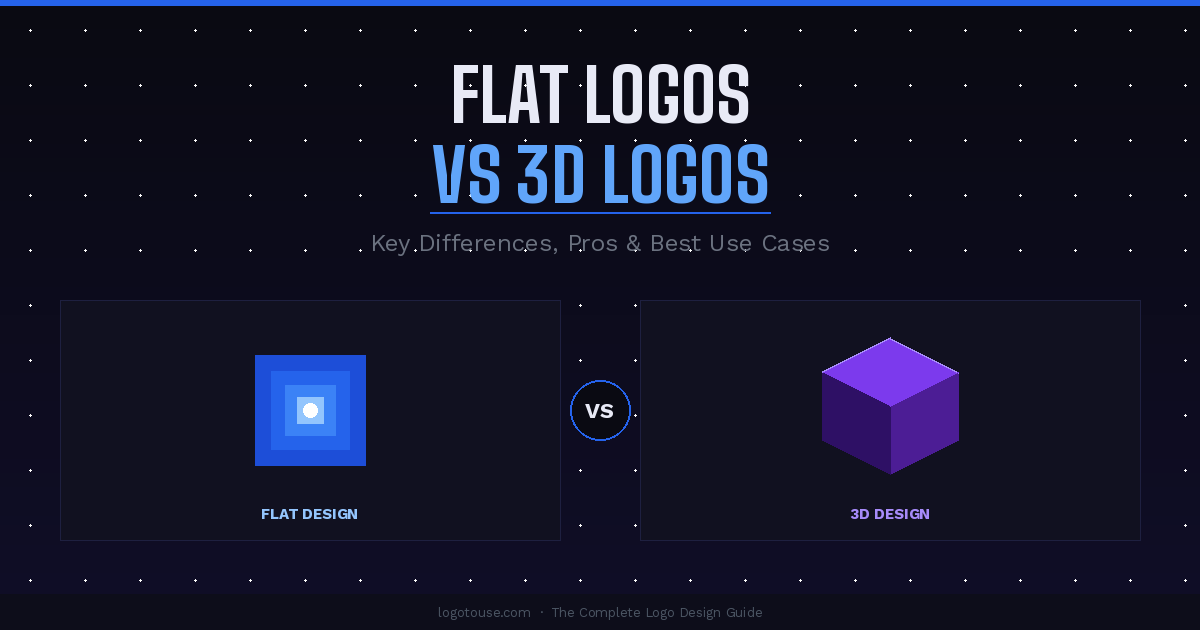
Logo styles evolve alongside design trends and technology. What worked visually on a 1990s product box is not what works on a 2025 phone screen, and what dominates mobile interfaces does not always translate into a cinematic game intro. Two of the most widely used visual approaches in branding today are flat logos and 3D logos, and understanding the difference between them is more than an aesthetic exercise.
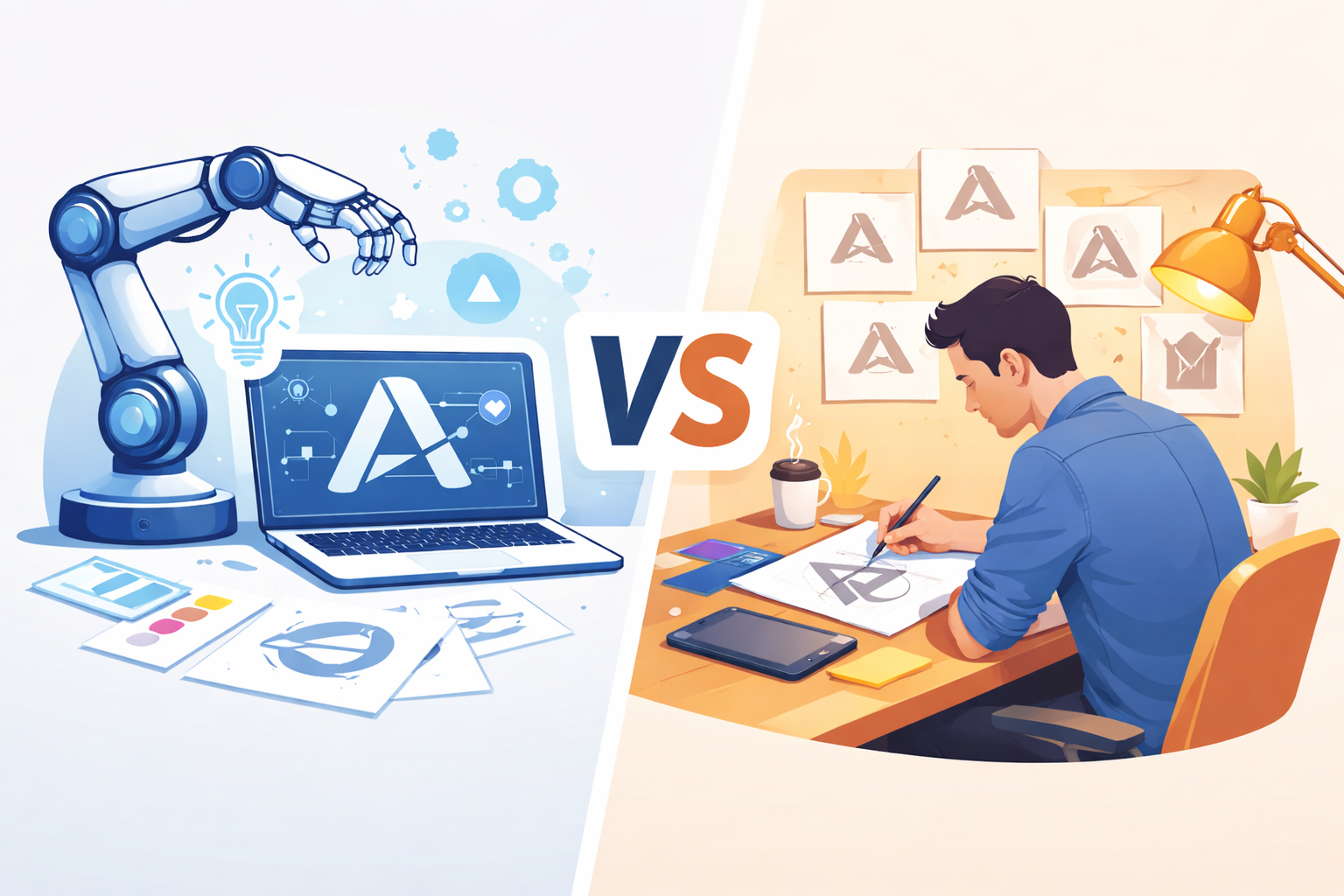
AI tools can generate a logo in seconds, while human designers can spend days refining one. As AI logo generators become more advanced, many startups and small businesses are asking the same question: should you trust artificial intelligence to create your brand identity, or hire a professional designer?
This guide walks through how AI models interpret logo prompts, what a high-quality prompt looks like, and 10 tested examples across industries. You'll also find a practical workflow for turning AI-generated concepts into real vector assets.
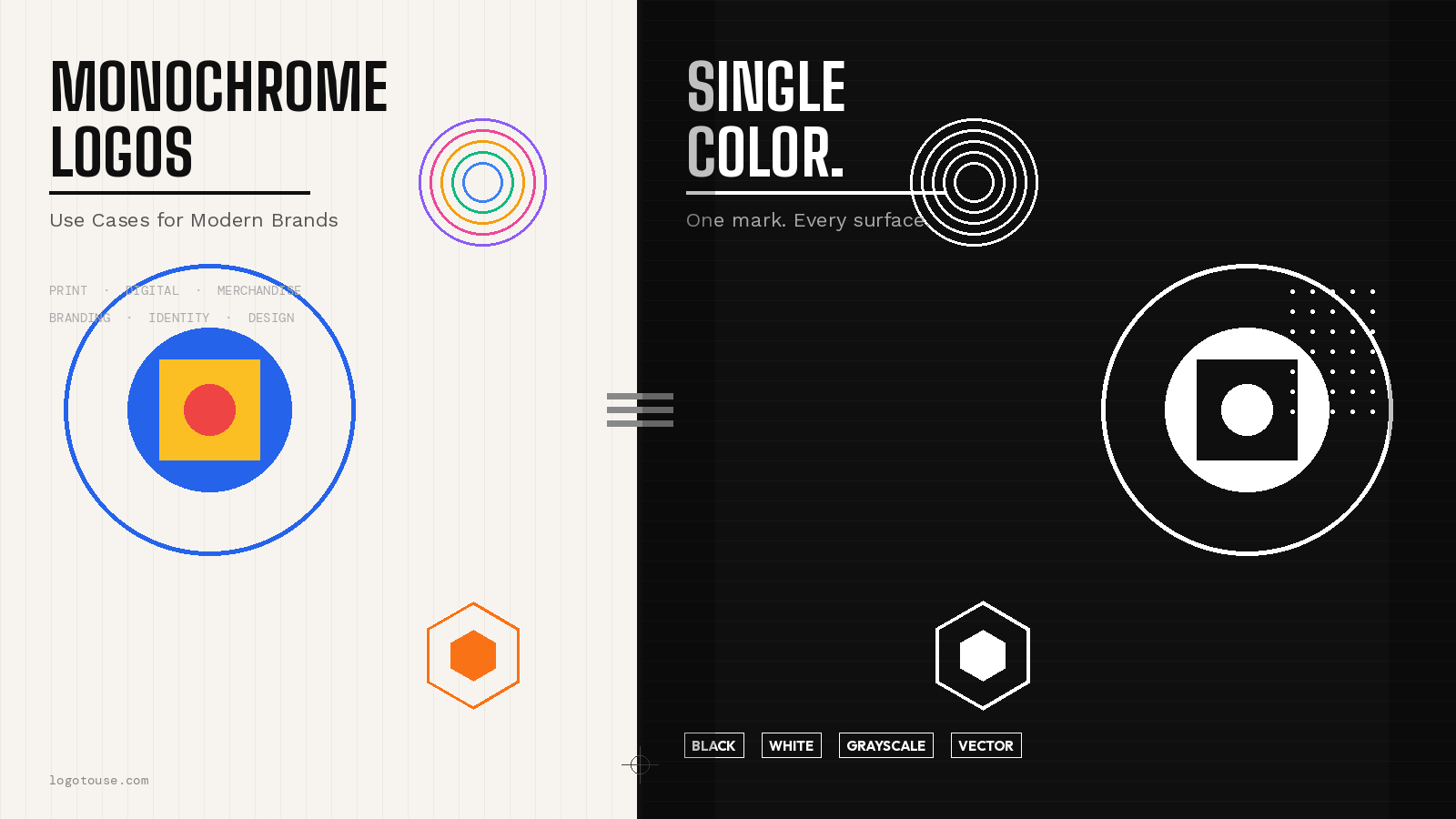
Monochrome logos are one of the most practical and enduring tools in visual identity design. Stripped of color, they force a logo to communicate through form, proportion, and contrast alone — and when that works, it works everywhere.
If you have ever sent a logo to a printer and received a pixelated, blurry result, or uploaded a perfectly fine PNG to a website only to see it look soft on a Retina screen, you have run into a resolution problem. And you are definitely not alone.
Where you place a logo is not a minor detail. It determines whether people see it, trust it, and remember it. This guide covers every surface — from website headers to T-shirt chests — with the specific measurements and rules your brand needs to place logos consistently and professionally across web, print, social media, and apparel.
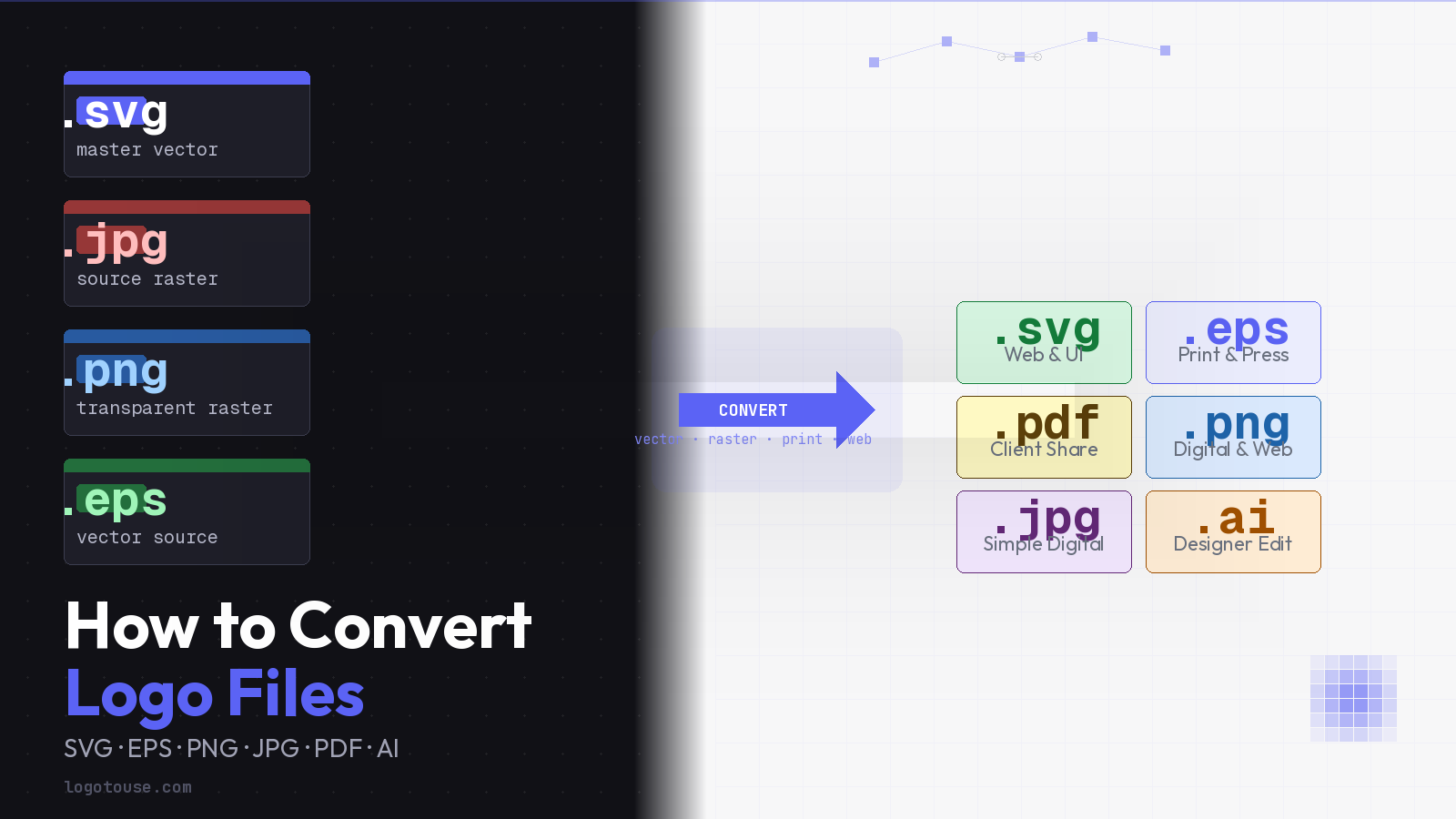
Logo file conversion is one of the most misunderstood tasks in everyday design and brand management. It is not simply a matter of renaming a file or running it through a quick online tool. The format a logo is stored in determines its quality ceiling, its compatibility with print and digital workflows, and how much flexibility you retain for future use.
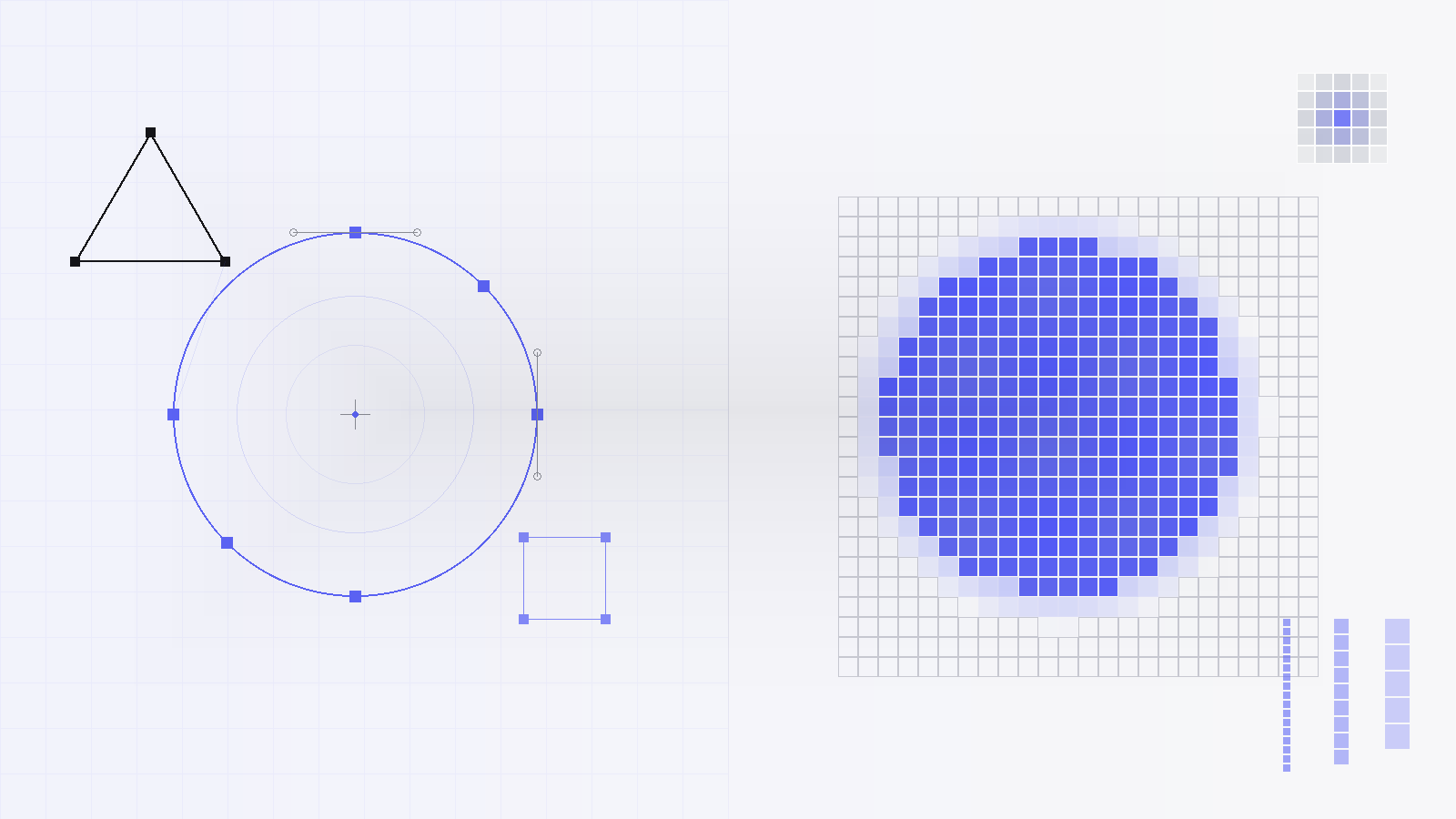
Every logo file is either a vector or a raster. Get the format wrong and your brand can end up blurry on a billboard or unprintable on a business card. Understanding the distinction is one of the most practical skills a designer, marketer, or business owner can have.
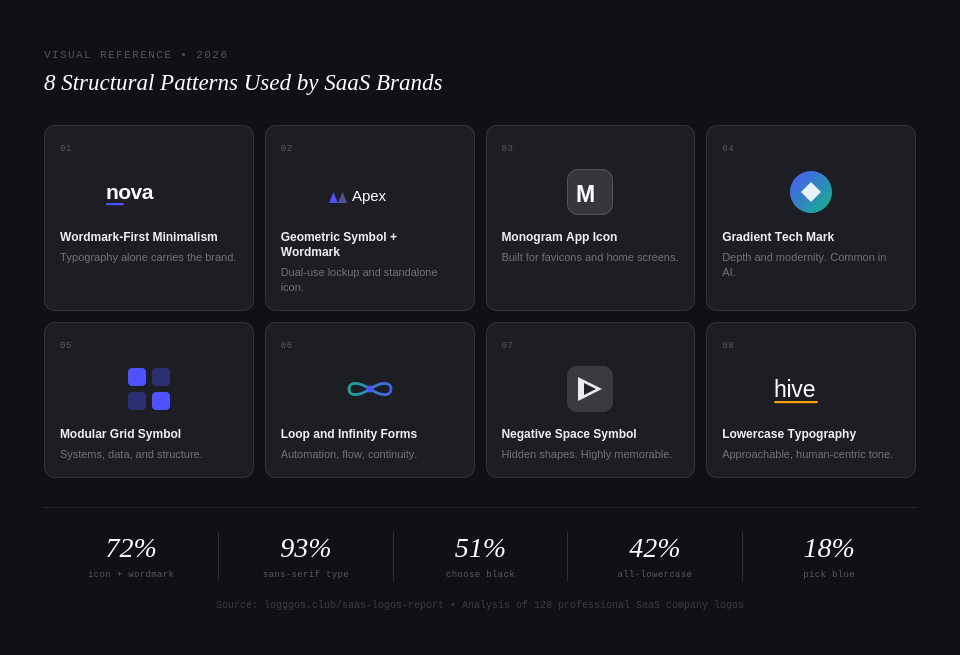
A practical, data-informed guide for founders, designers, and product teams building software brands in 2026.
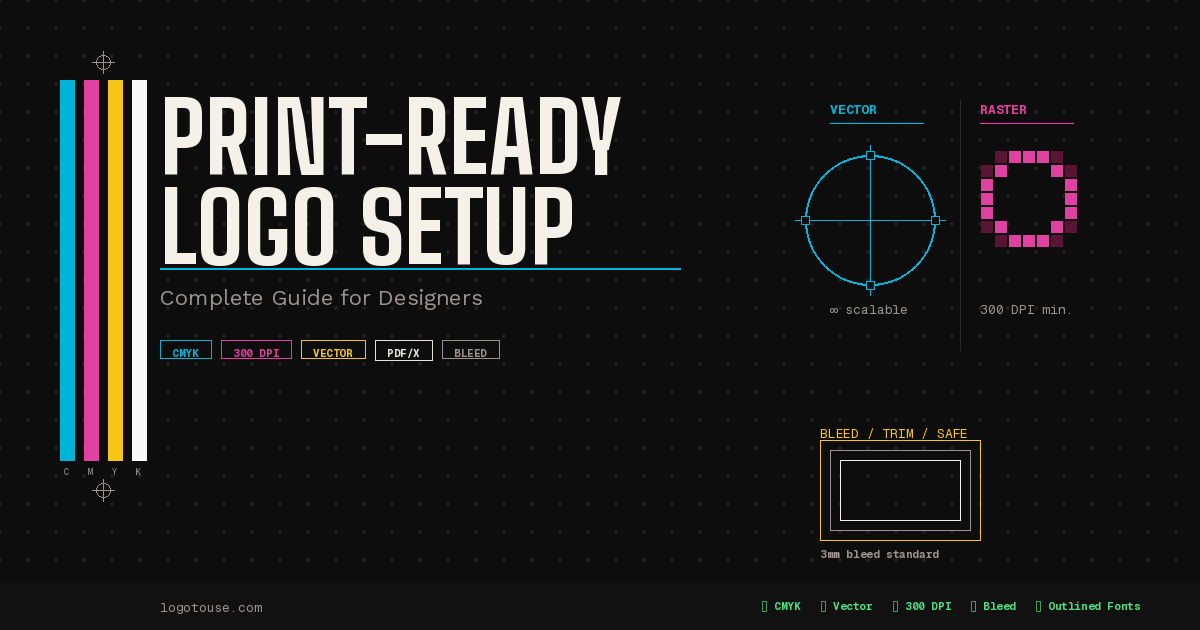
Print-ready logo setup is one of the most critical (and most overlooked) steps in any branding or print production workflow. Get it wrong, and you're looking at color shifts that make your navy blue look purple, blurry edges on a business card, or a file rejected outright by your commercial printer. Get it right, and your logo reproduces perfectly across every medium, every time.
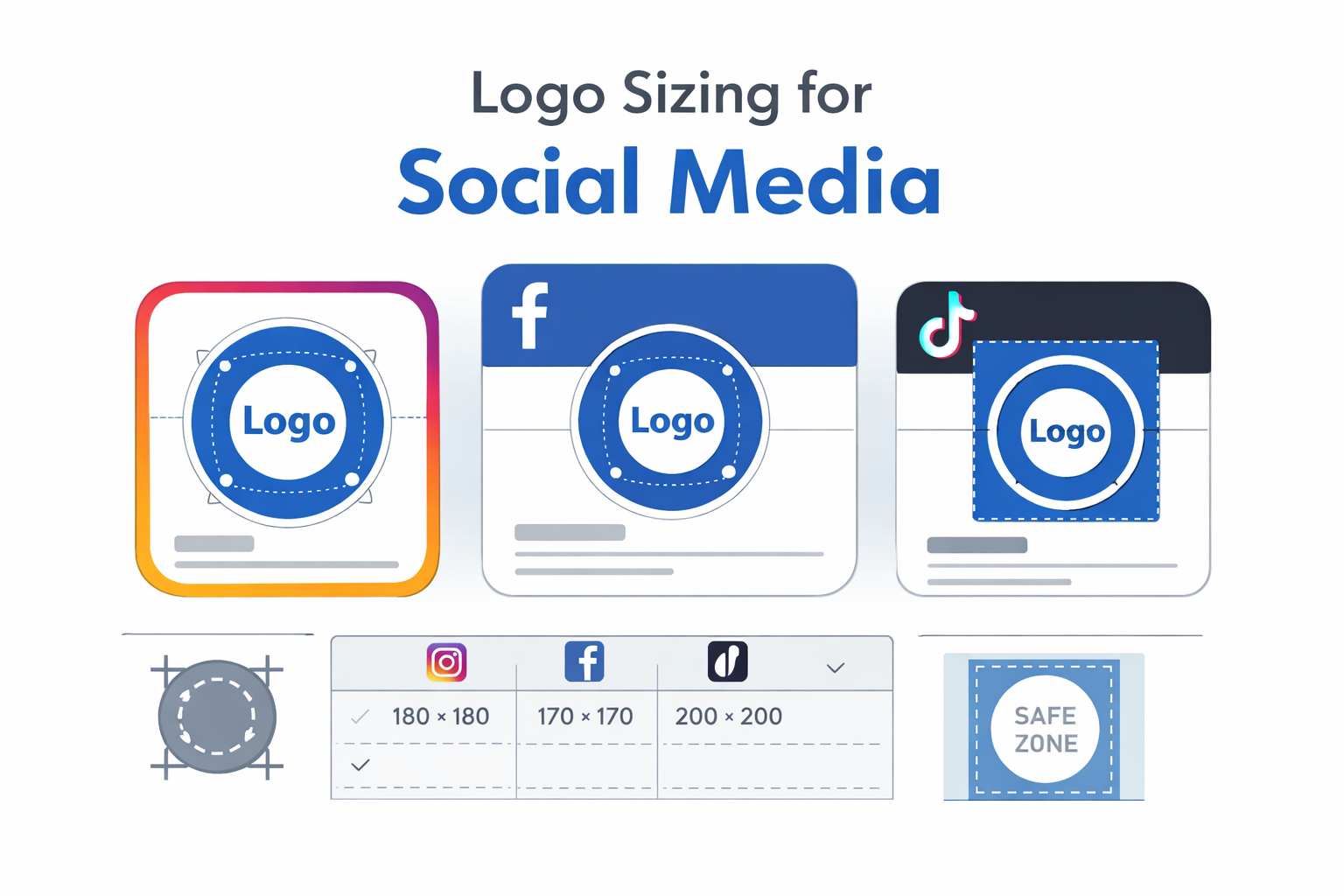
Your logo is the first thing people see on any social media profile. It appears in feeds, comment sections, search results, and on mobile screens smaller than your palm.
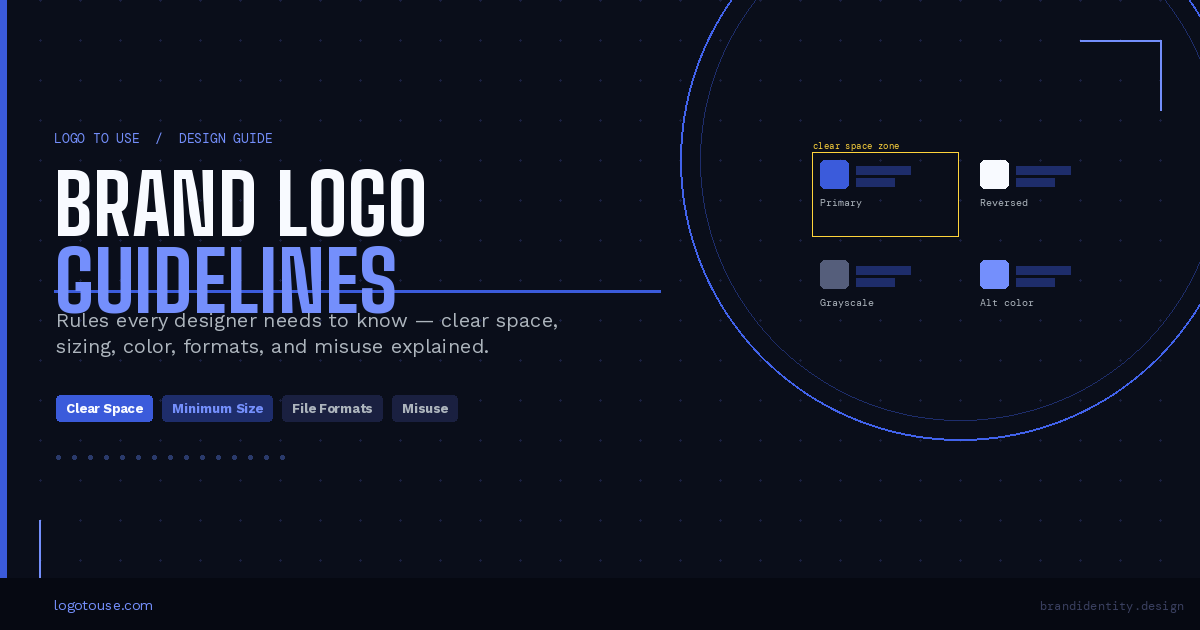
Every professional brand has a logo. But a logo without rules is just a pretty picture waiting to be broken. Brand logo guidelines are what keep a logo consistent across hundreds of touchpoints, from a business card to a billboard, from a social media avatar to an embroidered cap.
The technology sector moves at breakneck speed, and nowhere is this more visible than in how tech companies present themselves visually. Tech company logo trends reflect not just aesthetic preferences but fundamental shifts in how digital products are built, marketed, and consumed.
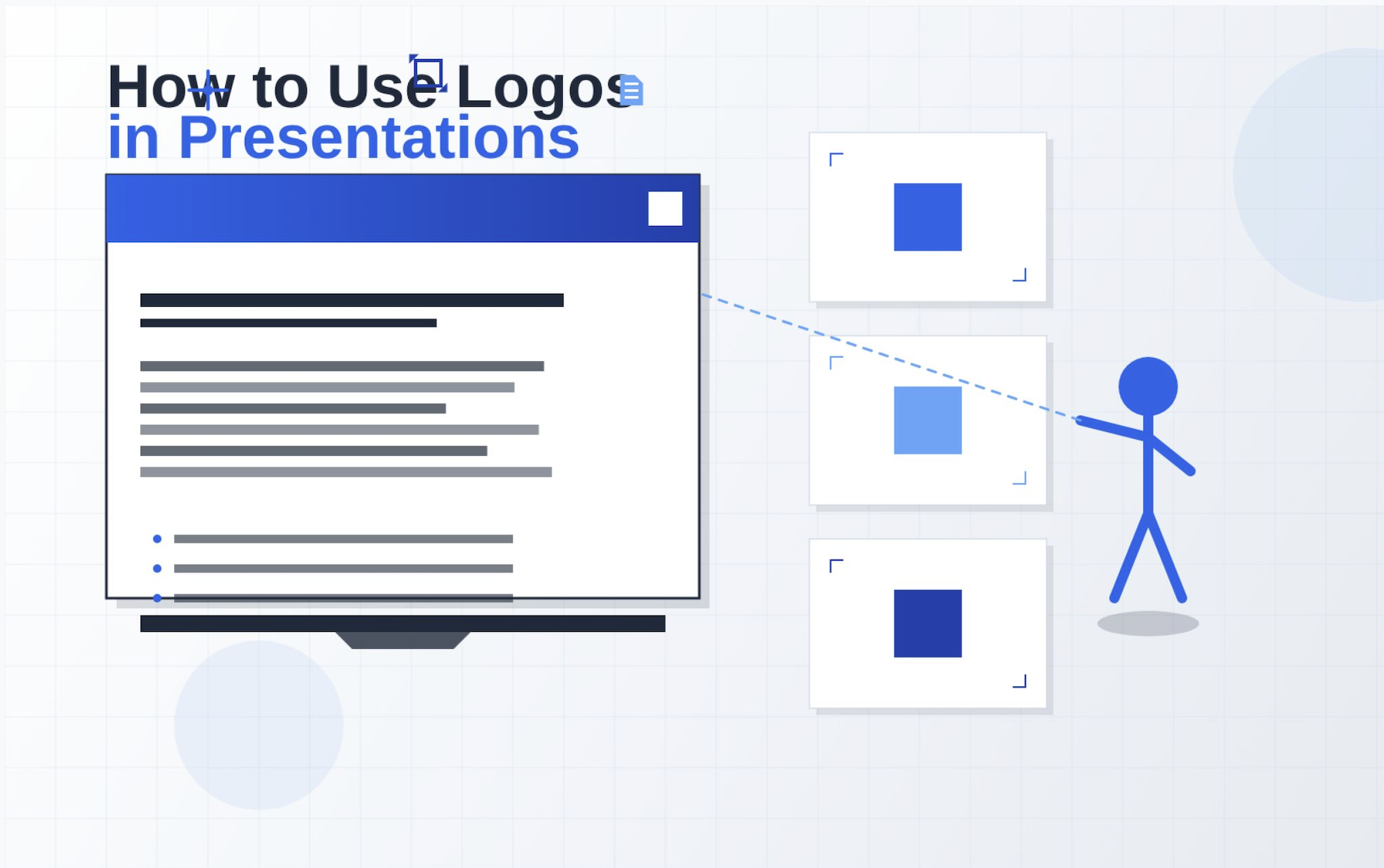
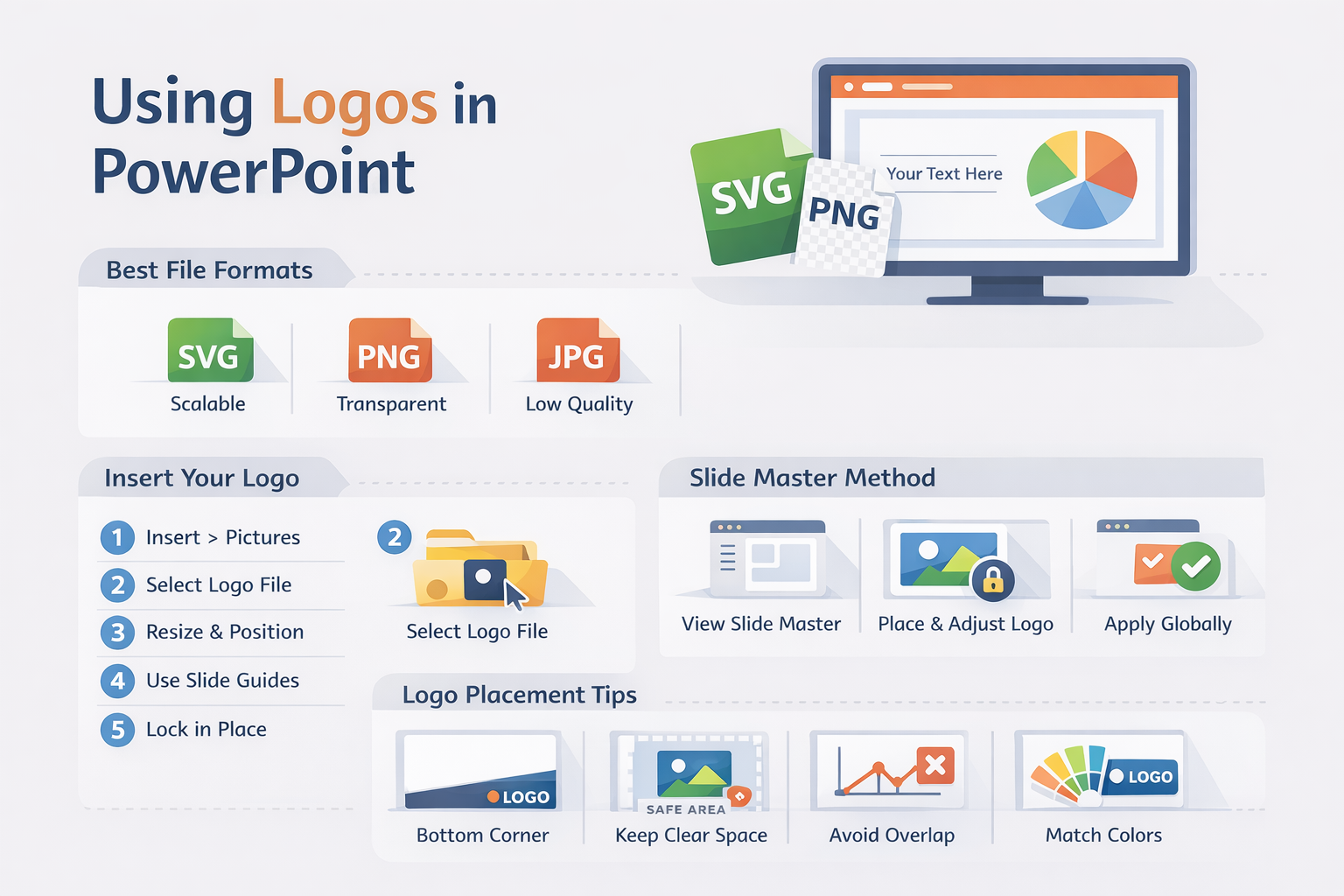
Using company logos correctly in presentations is one of those details that separates amateur slide decks from professional ones. Whether you're creating a sales pitch, investor presentation, or internal company report, proper logo usage demonstrates brand awareness, design competence, and attention to detail.
Using logos in PowerPoint presentations is essential for maintaining brand consistency and creating professional, visually cohesive slide decks. Whether you're designing a corporate pitch deck, client presentation, or internal report, proper logo implementation can significantly impact how your audience perceives your brand.
Figma has become the go-to design tool for UI designers, product teams, and brand professionals worldwide. With over 8 million users as of 2024 (Figma Community Stats), knowing how to properly handle logos in Figma is essential for creating polished designs, mockups, and presentations.
Choosing between a wordmark and a symbol logo isn't about picking the "better" option. There is no universal winner in the wordmark vs symbol logos debate. The right choice depends entirely on your brand stage, the strength of your name, and where your logo will appear most often.
The world of branding has undergone a dramatic transformation over the past decade. Complex, ornate logos have given way to clean, stripped-down designs that prioritize clarity over decoration. This shift isn't arbitrary. It's a calculated response to how we consume brands in the digital age.
Your logo is often the first thing visitors see when they land on your website. But choosing the wrong file format can make it load slowly, look blurry on high-resolution screens, or fail to display properly across different browsers.
If you've ever downloaded a logo package or worked with a designer, you've probably encountered an EPS file. It might have left you wondering: What is this format? Do I actually need it? You're not alone. EPS logo files have been around for decades, but their role in modern design workflows isn't always clear. Some designers swear by them. Others have moved on entirely to newer formats like SVG.
Modern brands see packaging as more than simple wrapping. It now reflects a company’s values, sustainability goals, and attention to detail.
Understanding the seven main categories of logos helps you choose the right approach for your brand. Learn the strengths, weaknesses, and ideal use cases for each logo type.
Go beyond surface aesthetics to understand the structural elements that make logos work. Learn how designers manipulate space, weight, and proportion to create effective brand marks.
Discover the timeless principles that separate forgettable logos from iconic brand marks. Learn what professional designers consider when creating logos that stand the test of time.
Not everyone needs a $10,000 custom logo—but not everyone should use a free logo maker either. Learn when DIY makes sense, what skills you actually need, and how to avoid common pitfalls.
Very excited to be live on PH. 🎉🎉🎉🎉🎉🎉🎉
There are more than 120+ million logos designed that are archived!
Unlimited downloads in colored, black and white, editable Figma sources and a commercial license you can put on an invoice.